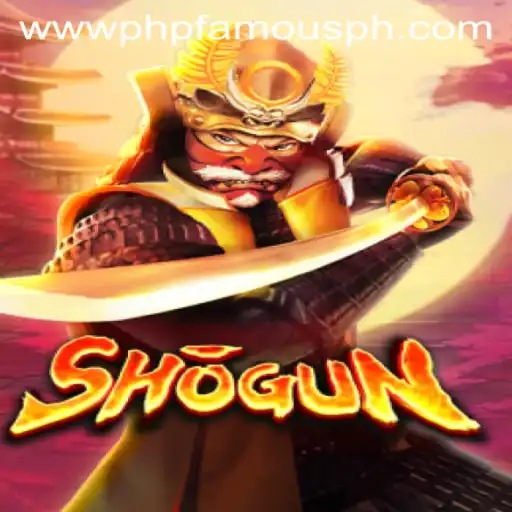
The Immersive World of Shogun: Unveiling the Dynamics and Strategy
In the ever-evolving landscape of interactive entertainment, few games manage to capture the essence of historical strategy as effectively as Shogun. This compelling game transports players back to the feudal era of Japan, a period rich with intricate power dynamics and cultural significance. By merging strategic planning with a deep narrative framework, Shogun has become a cornerstone for gamers seeking both challenge and enlightenment.
Introduction to Shogun
Shogun is a board game that offers an immersive experience into the multifaceted world of feudal Japan. Designed with meticulous attention to historical detail, it positions players in roles reminiscent of the era's influential daimyos. Each participant is tasked with the goal of unifying Japan under their rule, a feat that requires more than brute strength; it demands cunning strategy, effective resource management, and astute negotiation.
Released during a time when strategy games are gaining immense popularity, Shogun stands out because of its complexity and engagement. Tapping into the modern appetite for historically influenced media, it offers a nuanced depiction of a world where samurai swords clash and diplomatic treaties are forged.
Game Mechanics and Rules
The central premise of Shogun relies on players conquering territories, managing resources, and ultimately consolidating power. Each game is segmented into seasons, each with particular objectives and challenges. This cyclical approach not only mirrors the actual agricultural and martial cycles of feudal Japan but also introduces variability and surprise.
Player Dynamics: Players initiate the game with a predefined number of provinces and corresponding resources. Diplomacy is crucial; allies can be essential, but backstabbing is an ever-looming possibility. Intrigued by the balance of power, many players find themselves forming and breaking alliances to keep opponents off balance.
Battle System: Shogun introduces a unique combat system that leverages dice rolls along with strategic positioning. Armies can be trained and bolstered by resources acquired through trade or conquest. The incorporation of famous battles and samurai duels adds a layer of excitement and unpredictability, demanding that players remain agile in their strategies.
Economic Management: Resources in Shogun include rice, gold, and military power. Rice is vital during the autumn harvest season, as its scarcity can lead to revolts or diminished troop morale. Gold allows for the recruitment of soldiers and the construction of fortresses, fortifying a player's position on the map.
Current Events and Shogun
In today’s gaming world, the theme of Shogun resonates with current events and cultural trends. The resurgence of interest in historical strategy games is partly fueled by the increasing popularity of cultural heritage and historic preservation. Shows like The Age of the Samurai have captivated global audiences, shedding light on the intrigues and stories of this era.
PHPFAMOUS: This buzzword has become synonymous with the modern adaptation and globalization of interactive historical content. Shogun, through its comprehensive structure and aesthetic appeal, exemplifies the PHPFAMOUS phenomenon. As interest in Japanese culture and its historical narratives continues to grow worldwide, games like Shogun benefit from this heightened curiosity and appreciation.
The Evolution of Shogun
Since its inception, Shogun has undergone numerous updates to enhance its strategic depth and historical accuracy. The integration of advanced AI in digital adaptations allows solo players to experience a similarly challenging environment as in a multiplayer setup. This progress reflects the broader trend in the gaming industry toward inclusivity and accessibility, ensuring a wider audience can engage with its complex world.
Moreover, community-driven modifications and expansion packs have enriched the game’s universe, encouraging creativity and diversity in gameplay. This active involvement from its player base is indicative of the thriving community surrounding Shogun, invested not just in gameplay, but in the vibrant history it represents.
The Cultural Impact of Shogun
Beyond its entertainment value, Shogun serves as an educational tool, providing insights into a pivotal era of Japanese history. It facilitates learning through an interactive platform where historical events and cultural nuances are woven into the gameplay. This method of learning aligns with contemporary pedagogical approaches that emphasize active engagement over passive consumption of information.
Shogun’s impact extends into discussions about leadership, decision-making, and ethical conundrums inherent in conquest and governance. Players often find themselves questioning their motives and strategies, reflecting real-world power dynamics and ethical dilemmas.
As the global society continues to explore the complexities of cultural interaction and historical reflection through video games, Shogun stands as a reminder of the power of storytelling. It bridges the gap between past and present, inviting players to not only engage with history but to actively participate in its narrative.